
Why community is the most underrated mental-health intervention
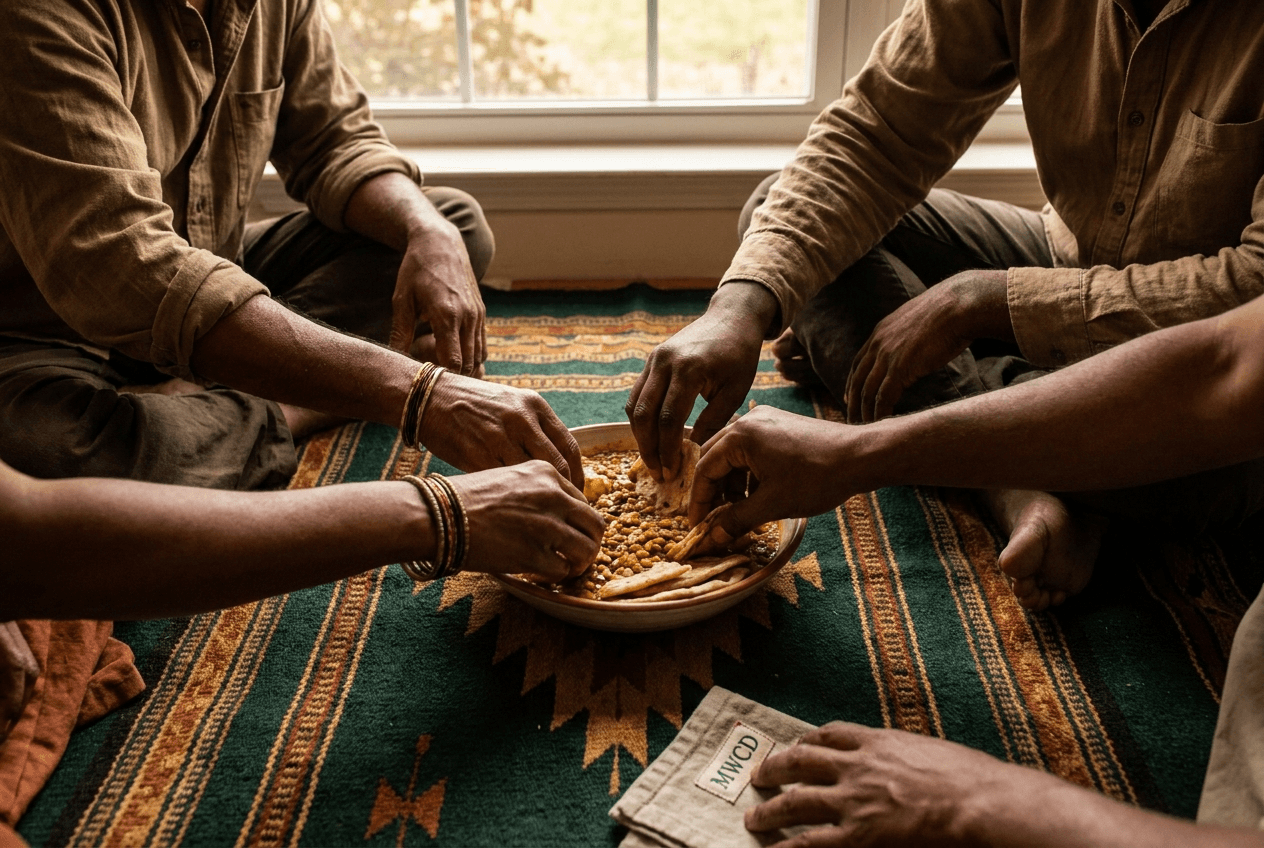
When people picture mental health support, they usually picture a room with two chairs, a therapist, and an hour on the clock. That picture isn't wrong, but it's incomplete. Across the communities we work in, some of the most consistent, measurable shifts in wellbeing haven't come from a clinical setting at all. They've come from someone showing up to the same weekly gathering for six months straight, from a neighbour checking in unprompted, from simply not being the only one carrying something heavy.
Belonging is not a soft add-on to care, it is a form of care. Isolation is one of the strongest predictors of poor mental health outcomes we see in the field, and it compounds quietly. Someone can be managing a diagnosis, taking their medication, doing everything a treatment plan asks of them, and still be unravelling because no one around them knows what they're carrying.
This is part of why our community programs are not positioned as a supplement to clinical work, they're designed as a parallel track. A support circle that meets weekly does something a monthly appointment structurally cannot: it normalises checking in on each other as a habit, not an event. People start to notice when someone in the group goes quiet. They start to ask. That kind of ambient attention is difficult to manufacture in a clinical setting, but it's exactly what community, done well, produces on its own.
None of this replaces professional care where professional care is needed, and we're careful never to suggest otherwise. But we've learned to stop treating community as the thing that happens before or after "real" support. For a lot of the people we work alongside, it is the real support, and everything else builds on top of it.